
Welcome to the wild world of esports national tournaments, where pixels collide and gamers become legends! Picture this: a digital coliseum filled with the roar of fans, the tension thick enough to cut with a gaming mouse, and players battling it out for glory, fame, and maybe even a lifetime supply of energy drinks. In these tournaments, the stakes are high, and the excitement is electric, showcasing some of the most popular titles that have taken the gaming community by storm.
From heart-pounding strategies in League of Legends to adrenaline-fueled battles in Call of Duty, national tournaments feature a dazzling array of games that keep fans on the edge of their seats. Not to mention, the stats are mind-blowing—millions tuning in and thousands competing, turning what once was a hobby into a full-blown spectacle. So, grab your controllers; it’s time to dive into the exhilarating chaos that is esports national tournaments!
Overview of Esports National Tournaments

Esports national tournaments are the exhilarating showdown arenas where gamers from all over the country gather to flex their digital muscles. These events carry a weight not only in the gaming community but also in the broader realm of sports and entertainment, bringing together fans and participants alike in a vibrant, competitive atmosphere. Picture stadiums filled with cheering fans and online streams attracting millions—this is where legends are born, and rivalries ignite.National tournaments typically feature a variety of game titles that cater to a wide audience of gamers and fans.
The selection of games ranges from action-packed shooters to strategic multiplayer online battle arenas (MOBAs). These titles not only shape the competitive landscape but also foster community engagement, as players often have a personal connection to their favorite games.
Popular Game Titles in National Tournaments
The following game titles are frequently showcased in national tournaments, each offering its unique flavor of competition and excitement:
- League of Legends: This MOBA game has taken the world by storm, becoming a staple in competitive gaming. Studies show that over 100 million people play it monthly, with tournaments drawing millions of viewers. The annual World Championship reported over 100 million concurrent viewers in 2021!
- Counter-Strike: Global Offensive: A titan in the first-person shooter genre, CS:GO has a dedicated fanbase. National tournaments often feature prize pools exceeding $1 million, attracting top-tier talent and fierce competition.
- Dota 2: Known for its complex strategy and team dynamics, Dota 2’s International tournament has set records for the largest prize pool in esports history, surpassing $40 million in recent years.
- Fortnite: This battle royale phenomenon exploded onto the scene, offering a unique mix of building and shooting mechanics. Its World Cup gathered over 2.3 million viewers in person and millions more online, showcasing the immense popularity of the title.
- Call of Duty: With its fast-paced gameplay, the Call of Duty League has captivated millions. Its franchise system has introduced a new era of esports professionalism, evidenced by sold-out stadium events.
These titles not only highlight the diversity of the esports landscape but also represent the passion and dedication of their communities.
Statistics on Participation and Viewership
The growth of esports national tournaments is reflected in staggering participation and viewership statistics. As of 2023, reports indicate that:
- More than 400 million people worldwide engage with esports content, with around 30% of that audience participating actively in gaming tournaments.
- National tournaments have seen a significant increase in attendance, with live events drawing crowds of thousands, while online viewership regularly reaches into the millions.
- According to recent studies, esports is projected to reach a market value of $1.8 billion by 2023, driven by sponsorships, media rights, and merchandise.
- Social media platforms like Twitch and YouTube Gaming have contributed to the accessibility and visibility of these events, making them available to fans everywhere. In 2022, Twitch recorded an impressive 17 billion hours watched across its platform, with esports events constituting a significant portion of that viewership.
“The future of sports is not just on the field or court, but also in the digital arena, where esports thrives.”
These figures showcase the monumental impact of esports national tournaments, not just in terms of competition but also in shaping the future of entertainment and community engagement.
Structure and Organization of Tournaments
The world of esports is as complex as a multi-tiered cake, with each layer representing a different stage, format, and bracket in national tournaments. Just as a cake needs the right ingredients to rise, so too does a tournament require careful planning and organization to ensure a successful event. The typical structure of a national esports tournament is characterized by several stages, which can include qualifiers, group stages, and knockout rounds.
Each stage often employs various formats to keep the competition as spicy as a jalapeño on game day. The brackets can be organized in single elimination, double elimination, or round-robin formats, each having its unique flair. Players and teams battle it out in a series of matches, accumulating points or victories that determine their fate in progressing through the tournament.
Roles and Responsibilities of Tournament Organizers and Sponsors
In the grand performance of a national esports tournament, tournament organizers and sponsors play pivotal roles, akin to a director and producer of a blockbuster movie. The organizers are the masterminds who handle everything from scheduling matches to ensuring that the internet connection is stable enough to prevent any cringe-worthy lag moments. They also coordinate with teams, manage the venue, and oversee the broadcast, ensuring that everything runs smoother than a bot in an FPS game.Sponsors, on the other hand, are the financial backbone of these tournaments.
They provide the funds necessary to support the event while garnering brand exposure. Their responsibilities include promoting the tournament through their marketing channels and sometimes even sponsoring specific teams or players. With their logos plastered everywhere, from team jerseys to stream overlays, sponsors are like the bling-bling in a rapper’s music video—key to the overall aesthetic and success of the event.
Technology and Platforms Used for Hosting and Broadcasting National Tournaments
In today’s digital age, the technology and platforms employed in esports tournaments are as crucial as the skills of the players themselves. A seamless broadcasting setup is essential to deliver the action to fans around the globe, ensuring they can watch their favorite teams battle it out from the comfort of their couches or the local gaming café. Platforms like Twitch and YouTube Gaming have become synonymous with esports broadcasting, providing viewers with high-quality streams, interactive chat features, and the ability to engage with their favorite players.
Behind the scenes, powerful servers and streaming software, such as OBS Studio or XSplit, ensure that the matches are streamed without a hitch.Moreover, the use of advanced technology like VR and AR is beginning to emerge, promising a future where spectators can experience the tournament in a way that makes them feel like they’re right in the action. As if gaming wasn’t already immersive enough! The entire ecosystem surrounding national esports tournaments relies heavily on a blend of organizational prowess, sponsorship support, and cutting-edge technology, creating a spectacular show that keeps millions on the edge of their seats.
Impact on the Esports Ecosystem
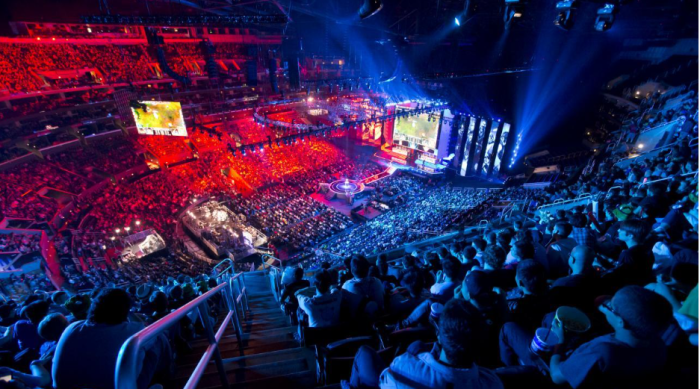
The impact of national tournaments on the esports ecosystem can be likened to a catapult launching the entire industry into a new stratosphere of growth, visibility, and undeniable economic power. These tournaments are not just a playground for players; they are the financial engine that revs up the esports machine, drawing in sponsorships, merchandise sales, and fostering talent that will become the legends of tomorrow.
Economic Impact of National Tournaments
National tournaments act as a financial bonanza for the esports industry, driving significant economic activity through various channels. The influx of sponsorship deals is akin to a magician pulling rabbits out of a hat, with brands eager to attach themselves to the growing popularity of esports. This results in a range of partnerships that extend far beyond the gaming arena.
- Sponsorship Deals: Major brands such as Coca-Cola, Intel, and Red Bull have leaped into the fray, investing millions to sponsor teams and events. This financial backing not only boosts players and organizers but also enhances the overall production quality of tournaments.
- Merchandise Sales: From jerseys to collectible figures, merchandise sales see a significant spike during national tournaments. Fans don their favorite team’s colors, and limited edition items can generate revenue that rivals that of traditional sports.
- Local Economies: Host cities also feel the impact as fans flock to venues, filling hotels, restaurants, and shops, creating a wave of economic benefits that ripple through the community.
Player Development and Career Opportunities
National tournaments are not just the highlight of a gamer’s calendar; they’re a launchpad for budding players and seasoned pros alike. These events serve as breeding grounds for talent, offering players the chance to refine their skills and gain invaluable experience that translates into future opportunities.
- Skill Enhancement: Competing at a national level sharpens a player’s abilities under pressure, akin to training in a high-stakes environment where every move counts.
- Network Expansion: Players meet scouts, coaches, and fellow competitors, expanding their professional network like a well-cast fishing net.
- Career Pathways: Success at national tournaments can lead to lucrative contracts with professional teams, sponsorship deals, and even opportunities in streaming or coaching, enhancing the career prospects for many players.
Comparison with International Competitions
While national tournaments are crucial, the prestige and player exposure they provide can differ significantly from international competitions. Think of it as the difference between being a local hero and a global superstar.
- Prestige Factor: International competitions often carry a heavier weight in terms of recognition and accolades. Winning a national tournament is great, but competing on the world stage can catapult a player’s status from local legend to global icon.
- Exposure Opportunities: International tournaments attract a global audience, providing players with exposure to fans, sponsors, and media from around the world. This level of visibility is hard to replicate in national tournaments.
- Broader Competition: The level of competition at international events is arguably higher, with the best players from various countries clashing, making it a true test of a player’s mettle.
Final Review
In summary, esports national tournaments are not just competitions; they are monumental celebrations of skill, strategy, and the sheer joy of gaming! With their unique structure and enthusiastic participation, these tournaments are reshaping the esports ecosystem, providing players with opportunities they’d only dreamed of. So whether you’re a casual viewer or a die-hard gamer, remember that behind every epic match, there’s a story waiting to be told—and perhaps, a future champion lurking in the shadows.
FAQ Explained
What are esports national tournaments?
Esports national tournaments are competitive events where gamers from a specific country compete against each other in various popular game titles.
How are national tournaments structured?
They typically feature stages, formats, and brackets designed to ensure fair competition and excitement throughout the event.
What games are popular in national tournaments?
Popular titles include League of Legends, Dota 2, Counter-Strike: Global Offensive, and many others that draw large audiences.
How do national tournaments impact players?
They offer significant career opportunities, sponsorship deals, and help in player development within the esports industry.
What’s the difference between national and international tournaments?
National tournaments focus on local talent and competition, while international tournaments feature players from around the globe, making them more prestigious.